Updated September 20, 2026 · Northwest Montana homeowner guidance
A home in the Flathead Valley can be a year-round base, a summer gathering place, or a future retirement home. Beginning in 2026, that difference in use matters more when you look at Montana property taxes.
Qualifying primary residences receive graduated reduced rates. Most second homes and vacation properties receive a flat 1.90% rate. These percentages help determine taxable value; they are not the percentage of a home’s value that you pay as your final tax bill. Montana Department of Revenue: 2026 changes.
What Changes for a Primary Residence?
For an eligible home, the 2026 rates apply in layers. Moving into a higher bracket does not put the entire property into that bracket.
| Portion of assessed market value | Rate |
|---|---|
| First $378,000 | 0.76% |
| Next $378,000 (up to $756,000) | 0.90% |
| Next $756,000 (up to $1,512,000) | 1.10% |
| Value above $1,512,000 | 1.90% |
The brackets are based on a statewide median, not a separate Flathead County median. These are DOR’s published 2026 thresholds. See the 2026 rate schedule and the Legislature’s explanation of the statewide framework.
Which Homes Qualify?
Generally, you must own the home individually or through an eligible revocable grantor trust, occupy it as your principal residence for at least seven months each year, and be current on property taxes. It must be the only residence for which you claim the homestead reduced rate. The months need not be consecutive.
An LLC-owned home does not qualify for the homestead rate. Limited seasonal renting does not automatically disqualify an otherwise eligible primary residence. Verify your circumstances with DOR. Homestead eligibility FAQs.
What About a Second Home or Lake Cabin?
Most second homes, short-term vacation rentals and vacant residential lots receive the flat 1.90% rate. A place you visit seasonally does not become an eligible principal residence simply because you own it. DOR’s property-type guidance.
For a Whitefish ski retreat or a Flathead Lake summer home, the practical question is how the property will actually be used. Build your ownership budget around that plan before relying on an earlier tax bill.
A Long-Term Rental Is a Separate Category
A rental may qualify for reduced treatment when tenants occupy it as a residence for rental periods of at least 28 days, totaling at least seven months of the year, and property taxes are current. Merely advertising the property for rent does not count. Eligible entities, including LLCs, can apply under this program. Long-term rental requirements.
Multifamily long-term rentals and homes on agricultural or forest parcels need a closer look. Different classifications can apply to the dwelling and the land; DOR lists a 1.35% rate for a second-home residence on qualified agricultural land. Do not apply the ordinary residential example below to an entire acreage parcel without checking its classification. DOR’s property and land distinctions.
What Do Those Percentages Mean in Dollars?
Montana first calculates taxable value, then applies the property’s local mill levies. Taxable value × total mills ÷ 1,000 = general property taxes. Special assessments and fees can be added separately. How DOR explains the calculation.
Consider two ordinary residential homes, each with an assessed market value of $800,000. This is an illustration, not a quote for a particular property:
- Qualifying primary residence: $378,000 × 0.76%, plus $378,000 × 0.90%, plus $44,000 × 1.10% = $6,758.80 in taxable value.
- Second home at the standard rate: $800,000 × 1.90% = $15,200 in taxable value.
At a purely hypothetical 500 mills, those amounts produce general taxes of $3,379.40 and $7,600, respectively, before special assessments or other adjustments. The 500-mill assumption is not a forecast for any Flathead Valley neighborhood.
The reduced classification therefore matters, but it does not promise a particular year-over-year saving. Local levies and assessed values also affect the bill. The Legislature explains why results vary by property and taxing jurisdiction.
Enrollment: What to Check Now
The 2026 enrollment deadline was March 20, 2026. It was extended from the original deadline, so older summaries may show a different date. Official deadline extension.
Homeowners who received the 2025 property tax rebate may already have been enrolled for 2026 if ownership and qualifying primary-residence use continued. Check the property’s actual status rather than assuming. DOR’s automatic-enrollment guidance.
Enrollment for 2027 is open through March 1, 2027. Use DOR’s homestead and rental portal to verify enrollment or find the correct application.
If You Buy or Move During 2026
A reduced rate already approved for a property remains through the end of that calendar year after a sale. The new owner must enroll to continue qualifying treatment the next year.
If the purchased home was not enrolled, qualifying buyers may be able to request a 2026 refund in 2027. DOR identifies a January 1–May 31, 2027 claim window; eligibility and residency requirements still apply, and 2026 taxes must be paid in full. Confirm your move dates and circumstances directly with DOR. Ownership changes and refund guidance.
A Practical Checklist for Flathead Valley Buyers
Whether you are considering Kalispell, Whitefish, Columbia Falls, Bigfork or Lakeside, make these questions part of your property review:
- Will this be your primary home, a seasonal home, or a rental?
- What classification and enrollment status does DOR show for the property?
- Does the budget reflect your intended use, rather than only the seller’s past tax bill?
- Are there additional dwellings, land classifications, or special assessments to investigate?
- What enrollment steps will you need after closing?
Bring the property’s geocode, assessment notice and current tax bill to the conversation. DOR can address classification and enrollment; the county treasurer can explain the bill; a qualified tax professional can help evaluate your individual situation.
Planning Your Next Move in Northwest Montana?
Amy can help you gather available property information and identify the questions to ask before you buy or sell. Understanding ongoing ownership costs belongs alongside location, condition and lifestyle when deciding whether a home is the right fit.
Contact Amy to discuss your plans, or explore more Northwest Montana Insights.
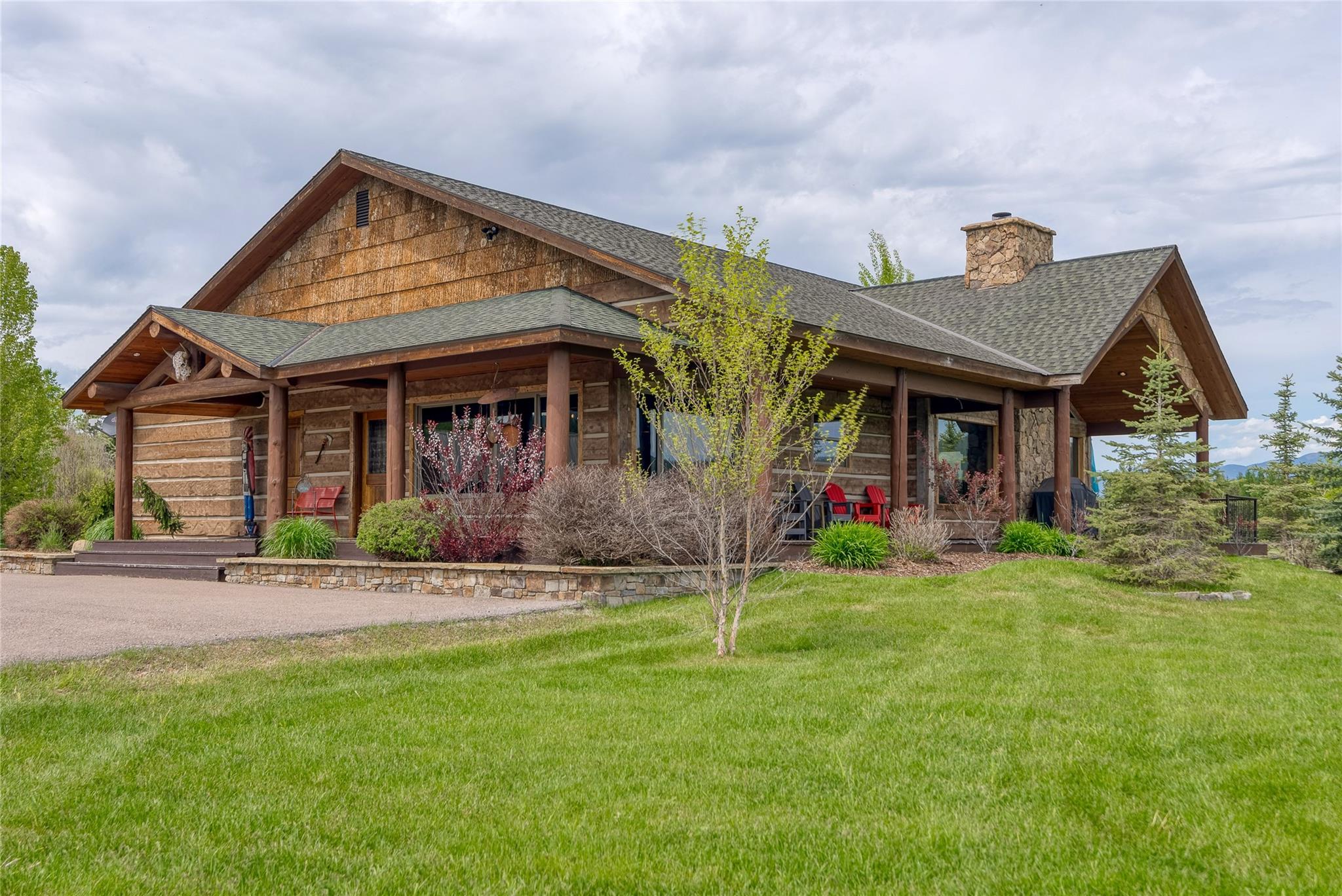
This article is for general information, not tax or legal advice. Rules and deadlines can change. Verify current requirements with the Montana Department of Revenue and consult a qualified tax professional about your property. Sources reviewed September 20, 2026. The hero photograph is illustrative; no tax status is implied for the home shown.